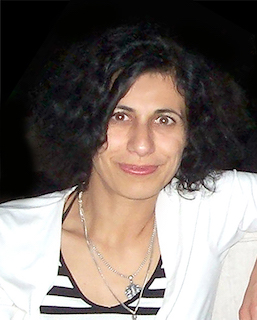
ABOUT ME
A FullStack Developer, Linguist - Researcher
My work brings together language, technology, education, and computational thinking. I am particularly interested in how people understand language, recognise patterns, form concepts, and transfer these abilities into digital and algorithmic environments.
I hold a Master’s degree in Applied Linguistics from South-West University in Bulgaria. My academic background in language, communication, and education is complemented by professional training in full-stack development, Python, JavaScript, and blockchain technologies.
From Language to Code
My path into software development began with a fascination for the relationship between linguistic and computational structures. Human language and programming languages rely on different systems, yet both require precision, pattern recognition, interpretation, and the ability to organise meaning.
This connection has become central to my research. I explore how linguistic awareness can support computational thinking, how natural-language abilities influence the learning of programming, and how technology can create more accessible and meaningful educational experiences.
Research Interests
My research interests include:
- natural language processing and computational linguistics;
- applied linguistics and multilingual communication;
- language acquisition and grammar awareness;
- computational thinking and programming education;
- artificial intelligence in education;
- human-centred and explainable AI;
- digital literacy and technology-supported learning.
Through this interdisciplinary approach, I investigate how language-based knowledge can contribute to the design of intelligent systems, educational technologies, and new models of human–computer interaction.
Full-Stack Development
As a full-stack developer, I work across frontend and backend technologies. My experience includes JavaScript, TypeScript, Vue 3, Nuxt, React, Node.js, Express, Python, MongoDB, Supabase, and modern web-development tools.
I am especially interested in building multilingual platforms, educational applications, research-oriented digital products, knowledge systems, and AI-supported tools. For me, development is not only the implementation of technical functionality. It is a process of translating complex ideas into structured, usable, and meaningful digital experiences.
Education and Knowledge Transfer
My background as an educator strongly influences both my research and development work. I have extensive experience in language education, digital learning, computer science education, and supporting learners from different linguistic and cultural backgrounds.
I approach education as an active process of inquiry. Learners should not simply consume information; they should learn to identify patterns, ask questions, test ideas, and build knowledge independently.
This perspective also shapes my work in artificial intelligence. I am interested in systems that support human reasoning rather than replace it, and in technologies that remain understandable, responsible, and useful in real learning environments.
Interdisciplinary Collaboration
I enjoy working across disciplines and bringing together perspectives from linguistics, computer science, education, business, and communication.
My strengths include facilitating discussions, coordinating different streams of work, transforming abstract ideas into practical concepts, and creating structures that help people collaborate more effectively.
I believe that some of the most valuable innovations emerge where disciplines meet—and where technical development is guided by human understanding, intellectual curiosity, and a clear social purpose.
Current Work
I am currently developing Astra Knowledge Lab, an interdisciplinary platform connecting research, artificial intelligence, multilingual knowledge, education, and digital publishing.
I am also building OpenMinds, a space for dialogue, learning, professional exchange, and collaboration across technology, business, education, and innovation.
Alongside these projects, I continue to develop my independent research at the intersection of language, computational thinking, artificial intelligence, and digital education.
Research Focus
Language-Centred Artificial Intelligence, Computational Thinking and Digital Education
My research examines the relationship between human language, computational structures, artificial intelligence, and learning.
I am particularly interested in how linguistic knowledge can contribute to the design of more understandable, accessible, and human-centred technologies. This includes investigating how people recognise patterns, form concepts, interpret information, and transfer knowledge between natural language and formal systems such as programming languages.
My work brings together applied linguistics, natural language processing, computational thinking, educational technology, and human–computer interaction.
The central question guiding my research is how intelligent systems can support human understanding, learning, and decision-making without reducing complex cognitive and linguistic processes to purely automated outputs.
Current Research Directions
My current research is organised around several connected areas:
Natural Language Processing and Computational Linguistics
I explore how computational methods can analyse, structure, and interpret human language across multilingual and educational contexts.
My interests include language representation, semantic pattern recognition, information extraction, multilingual communication, conversational systems, and the use of NLP to support learning and knowledge organisation.
I am also interested in how language technologies handle ambiguity, context, meaning, and cultural variation, particularly when they are used in systems that interact directly with people.
Applied Linguistics and Multilingual Learning
My work in applied linguistics focuses on language acquisition, grammar awareness, conceptual development, multilingual communication, and the cognitive processes involved in learning.
I investigate how learners build linguistic rules, recognise structures, develop precision, and transfer knowledge across languages and domains. This research also considers how multilingual experience can influence digital learning, computational reasoning, and interaction with artificial intelligence systems.
Computational Thinking and Programming Education
A central part of my research examines the transition from natural language to code.
I investigate how linguistic awareness, abstraction, sequencing, pattern recognition, and rule formation contribute to learning programming and developing algorithmic thinking.
My aim is to identify educational approaches that make programming more accessible to beginners, multilingual learners, educators, and people entering technology from non-technical disciplines.
Human-Centred and Explainable AI
I am interested in artificial intelligence systems that remain understandable, transparent, and meaningful to the people who use them.
My research explores how explanations can be presented in clear natural language, how users interpret AI-generated information, and how intelligent systems can support rather than replace human judgement.
This includes questions related to trust, transparency, responsible AI, educational explainability, and the design of systems that communicate their reasoning, limitations, and uncertainty more effectively.
Applications of My Research
AI-Supported Education and Learning
I investigate how artificial intelligence can support language learning, programming education, digital literacy, and independent knowledge development.
The objective is not simply to automate teaching tasks, but to design systems that encourage reflection, exploration, feedback, and active participation.
Research Focus
My research focuses on the intersection of applied linguistics, natural language processing, artificial intelligence, computational thinking, and digital education.
I investigate how linguistic knowledge, multilingual experience, pattern recognition, and conceptual understanding can support the development of more accessible learning technologies and more understandable AI systems.
A central area of my work is the relationship between natural language and programming. I explore how learners move from words, grammar, and meaning to algorithms, formal structures, and code, and how this connection can improve programming education for beginners and multilingual learners.
My research also examines how AI-supported systems can explain complex information clearly, support independent learning, strengthen critical thinking, and preserve human agency.
Multilingual Knowledge Systems
I am interested in developing digital platforms that make complex information accessible across languages, disciplines, and levels of expertise. Such systems can support learners, educators, researchers, founders, and professionals by connecting information that is often separated across institutional, linguistic, or disciplinary boundaries.
Language-Aware Digital Products
My combined background in linguistics and software development enables me to approach digital products from both a technical and a language-centred perspective.
I focus on how content is structured, how users navigate information, how interfaces communicate meaning, and how multilingual functionality can be integrated into web applications and AI-supported platforms.
Accessible Programming Education
My work explores methods for introducing programming through familiar linguistic and cognitive structures. By connecting code with concepts such as grammar, syntax, sequencing, meaning, and pattern recognition, I aim to develop learning approaches that reduce unnecessary barriers and make technical education more inclusive.
Research Through Astra Knowledge Lab
Astra Knowledge Lab provides the developing framework for my independent research, digital experimentation, and interdisciplinary publishing.
Its purpose is to connect artificial intelligence, language, education, technology, and knowledge communication within one research-oriented environment. Through it, I am developing academic articles, working papers, educational concepts, multilingual resources, experimental digital tools, and research-based technology projects. The platform is intended to support collaboration between researchers, educators, developers, founders, and professionals interested in the relationship between human knowledge and emerging technologies.
Research Principles
My work is guided by four principles:
Interdisciplinarity Complex questions about language, learning, and artificial intelligence cannot be addressed effectively from a single disciplinary perspective.
Human understanding Technology should support people in interpreting information, developing knowledge, and making informed decisions.
Accessibility Research and technical innovation should be communicated in ways that are understandable beyond narrow specialist communities.
Responsible development Artificial intelligence and digital systems should be designed with attention to transparency, social impact, multilingual diversity, and human agency.
Research Vision
My long-term goal is to contribute to a research field in which linguistics, artificial intelligence, education, and software development are treated as interconnected areas rather than isolated disciplines.
I aim to develop language-aware technologies, educational models, and multilingual knowledge systems that help people understand complex information, acquire digital skills, and interact with artificial intelligence more critically and confidently. Through research, development, teaching, and interdisciplinary collaboration, I want to contribute to technologies that are not only technically capable, but also understandable, educationally valuable, and socially responsible.
My goal is to advance language-centred and human-centred technologies that make artificial intelligence, digital knowledge, and programming more understandable, accessible, and meaningful. Through interdisciplinary research, I aim to develop multilingual learning approaches, educational technologies, and AI-supported systems that strengthen human understanding, critical thinking, and agency rather than replacing them.
Further Information
More information about my work is available across two dedicated blogs.
For selected publications, research interests, and ongoing academic projects, visit my Research and Academic Work page.
Technical blog features articles, tutorials, and practical insights on software development, programming, web technologies, DevOps, and computational thinking.
Business and strategy blog explores entrepreneurship, digital transformation, marketing, business strategy, technology, and professional development.