

Have you ever wondered why some breads make you feel tired, foggy and achy — or been puzzled that some leave you bloated while others don’t? If you can eat sourdough but not other bread, these articles and recipes are a great place to spark curiosity: learn how bread interacts with the gut microbiome, discover how your unique nutrigenetics shape your response, and read practical, evidence-based guidance. Cutting through the nonsense with clear, useful explanations, Vanessa shares tips, information, advice, recipes and methods to bake, eat and share healthy bread to support digestion and overall health
Artisan baking is a delicate balance of technique, passion, and high-quality ingredients. Every fold, layer, and glaze is crafted with care to ensure the perfect texture and flavor. In our bakery, we focus on the process as much as the final product, celebrating traditional techniques that have stood the test of time.
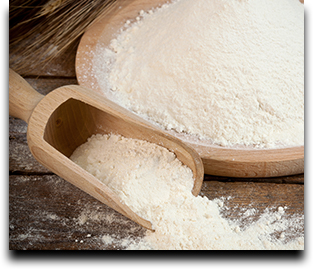
Fresh Ingredients, Perfect Pastries
From locally sourced flours to seasonal fruits, we ensure that every pastry starts with the best ingredients. Our bakers carefully select each item, bringing quality and flavor together in every creation.
The result is a collection of pastries that not only taste amazing but also tell a story of craft and care.
Beyond ingredients, the environment, timing, and experience of our bakers all contribute to creating memorable pastries. Learning and sharing this craft is our way of keeping the tradition alive.
Sourdough Health Benefits
Sourdough is not just delicious — it’s naturally nourishing. Its unique fermentation process provides multiple health advantages:
- Easier to digest: The fermentation process breaks down starches and proteins in the flour, making it easier for your body to digest compared to bread made with commercial yeast. For some, this can be a more tolerable option even if they are sensitive to gluten.
- Improved blood sugar control: The fermentation process lowers the glycemic index of the bread, leading to a more gradual rise in blood sugar levels after eating. This is due to the breakdown of starches and the production of lactic and acetic acids.
- Better nutrient absorption: Sourdough fermentation reduces phytic acid, an "anti-nutrient" that can block the absorption of minerals. This means you can absorb more of the beneficial nutrients like zinc, magnesium, and iron.
- Supports gut health: Sourdough contains prebiotics (a type of fiber) and beneficial bacteria from the fermentation process, which can help feed and support a healthy gut microbiome.
What Are The Comparative Benefits of Sourdough Bread over Yeasted Bread
The four main areas that make sourdough different are:
- Digestibility and Nutrient Bioavailability: The fermentation process and reduction of phytic acid inherent to sourdough preparation often reduces certain antinutrients. As a result, sourdough bread tends to be more nutritious, making it a favourable option for individuals with gastrointestinal concerns, such as Irritable Bowel Syndrome (IBS). The lower levels of these antinutrients can enhance the digestibility of sourdough, potentially alleviating some digestive issues.
- Absence of Harmful Additives: Home-baked sourdough typically omits various commercial additives, some of which have been scrutinised for their deleterious health effects. Recent research suggests that certain emulsifiers might adversely affect gut flora, reducing the prevalence of beneficial microbes responsible for producing micronutrients vital for gut barrier integrity.
- Fibre Content and Cancer Risk: Incorporating increased fibre levels in sourdough preparations can reduce the risk of specific cancer types.
- Glycaemic Response Modulation: The structural alterations resulting from fermentation influence sourdough’s digestibility rate. As such, sourdough bread may offer a more moderated glycaemic response, helping to balance blood sugar levels.
To understand if sourdough is good for you, you need to understand that the process is a biochemical and structural shift that transpires during sourdough fermentation. If you correctly ferment, then you can present a persuasive argument for its potential superiority over yeasted bread from a health and nutritional point of view. Remember the earlier point: You can theoretically ferment cardboard, but for genuinely nourishing bread, your starting point is nourishing flour.